Reference image consistency turns image generation from a one-off prompt exercise into a controlled production workflow. Instead of asking a model to invent every face, product detail, outfit, and lighting decision on each run, a team supplies the visual facts that must remain stable. xAI Grok Imagine Image V2 Reference accepts up to five reference images, supports 1K and 2K output, and asks the prompt to name each image explicitly as <IMAGE_0>, <IMAGE_1>, and so on. That small interface choice matters: it makes visual continuity a deliberate input, not an accidental result.
Why Reference Image Consistency Needs a Control Layer
Text prompts are good at direction. They are weak contracts. A prompt can describe a navy jacket, short hair, soft window light, and a 50 mm editorial look, yet each generation may reinterpret one of those details. For a single illustration, that can be useful variation. For a product catalog, recurring character, campaign system, or support workflow, it creates rework.
Reference image consistency changes the unit of work. The input image holds identity or product facts. The text prompt holds the requested change. This split gives developers a clearer boundary to test. A prompt can say which reference defines the subject, which details must survive, and what is allowed to move: location, pose, time of day, or framing. It also helps reviewers explain a failure. A changed face is an identity failure. A wrong jacket is an attribute failure. A flat scene is an instruction-following failure.
What the Reference Pipeline Actually Adds
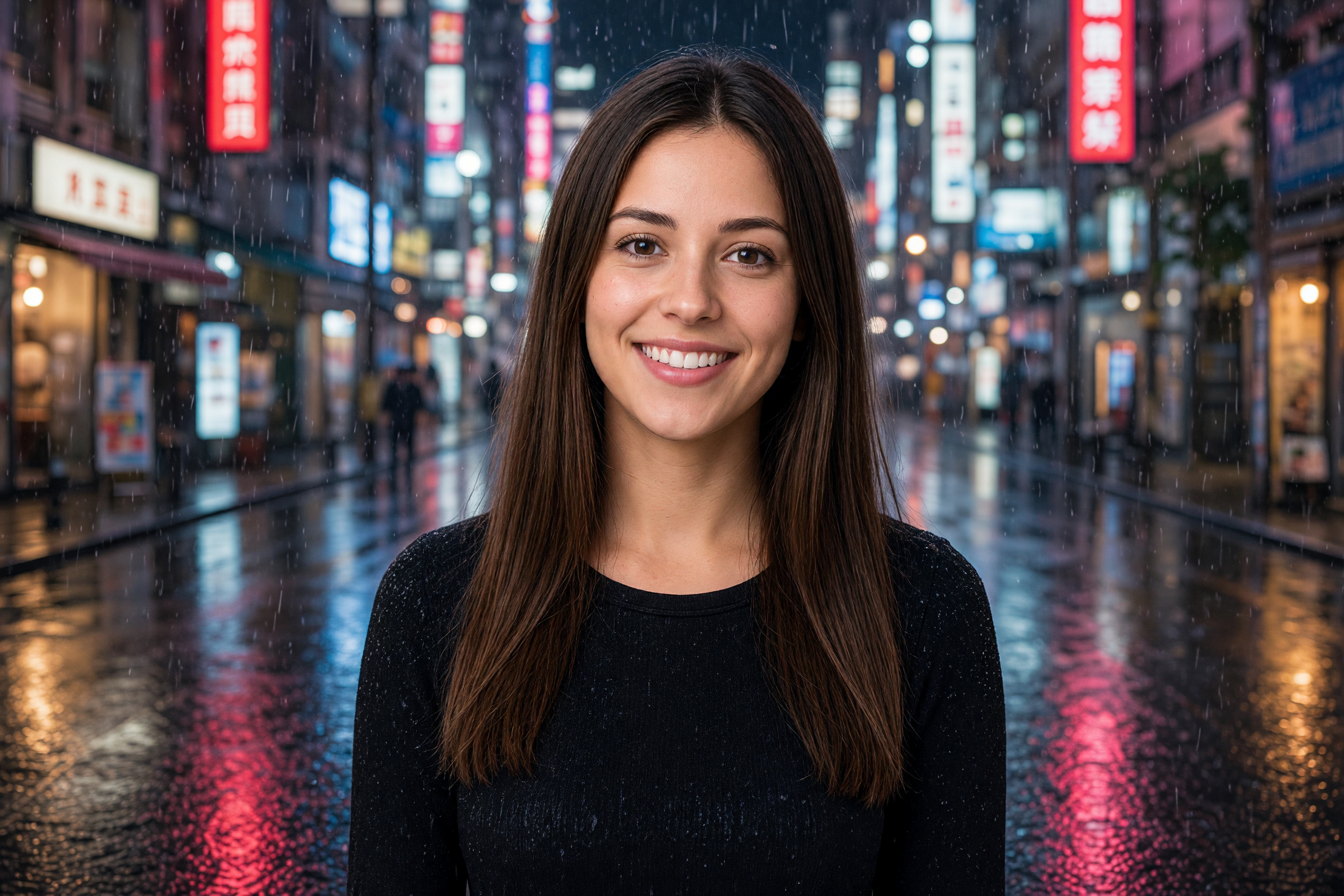
Grok Imagine Image V2 Reference accepts from one to five JPEG or PNG images, with a 20 MiB limit for each file. The first reference can set the output ratio when aspect ratio is left on auto. The model also exposes 1K and 2K resolution plus low and medium quality settings. Those are not cosmetic toggles. More inputs mean more pixels to ingest, more relationships to resolve, and more ways for a prompt to conflict with a source image.
Start with one reference when the task is a simple scene change. Add a second only when it contributes a separate fact, such as a product back view, a close-up texture, or a controlled lighting reference. Use three to five when the visual specification truly needs several anchors. A five-image pile with overlapping, inconsistent facts does not create five times the control. It creates an arbitration problem inside the model.
The wider research literature explains why this is hard. A September 2026 benchmark on persistent identity preservation found that image quality and instruction following do not guarantee identity fidelity. It reports more degradation after iterative edits, at small subject scales, with severe source degradation, and in multi-subject compositions. That matches production experience: a plausible image can still be the wrong person or the wrong product. Read the identity-preservation benchmark for the evaluation framing, and consult the Grok Imagine Image V2 Reference model page for the current input limits.

A Practical Workflow for Developers and Infrastructure Teams
Put reference image consistency behind a small, versioned job contract. Store the reference asset IDs, prompt text, model version, ratio, resolution, quality tier, output seed when available, and reviewer result. Treat a reference set like any other production dependency. If the source changes, generate a new version instead of silently replacing the old file. That record makes a failed campaign reproducible and lets a team compare model updates without guessing what changed.
1. Classify every reference
Assign one job to each image: identity, product geometry, material detail, palette, or composition. The prompt should name that job. For example: <IMAGE_0> defines the person and jacket; preserve facial structure, hairstyle, and navy jacket. Change only the location and pose. Clear ownership prevents the common failure where a model borrows lighting from one image and identity from another without being told to do so.
2. Separate exploration from approval
Use 1K at low quality for quick composition tests. Keep the reference set fixed while varying one prompt dimension at a time. Once a direction passes review, rerun that exact contract at 2K and medium quality for closer inspection. This avoids spending the highest compute setting on ideas that have not earned it. It also produces cleaner operational data: exploration failures do not get mixed with final-asset failures.
3. Design for retries
Reference-guided jobs need idempotency keys and asset-level provenance. A queue worker should be able to retry a transient request without losing the reference order. Persist the ordered input list because <IMAGE_0> and <IMAGE_1> are semantic positions, not just attachments. For sensitive jobs, log a content hash for every source file and keep human approval separate from generation success.

Measure Drift Instead of Calling It Close Enough
Teams should score reference image consistency on at least four axes: identity, product geometry, instruction adherence, and image defects. Use a simple 0-2 rubric for each axis during early tests: 0 fails, 1 needs retouching, 2 passes. Eight points is a clear pass; six or seven may be usable with review; five or below returns to the prompt or reference set. This gives an operations team a repeatable acceptance gate without pretending that one automatic similarity number captures everything.
Run a compact regression suite whenever the model, prompt template, or preprocessing pipeline changes. A useful set contains eight to 12 jobs: front and three-quarter angles, close and wide crops, indoor and outdoor lighting, a hard pose change, a small-subject frame, and a two-subject scene if that is part of the workload. Keep the expected invariant written beside each case. The goal is not photorealism alone. The goal is stable facts under controlled change.
For infrastructure teams, the operational gain is fewer manual loops. A good reference contract can turn a vague reviewer note like make it look more like the original into a targeted retry: preserve the product silhouette from <IMAGE_1>; keep the subject face from <IMAGE_0>; change only the background. That reduces prompt churn and makes defects easier to route to data quality, model behavior, or review policy.
Where It Breaks and What to Check
Reference image consistency is not identity lock. Small faces, motion, occlusion, dramatic viewpoint changes, mixed lighting, and multi-person scenes remain harder than a clean single-subject edit. Low-resolution or heavily compressed sources can carry artifacts into the output. Conflicting wardrobe, age, or color cues make the model choose rather than preserve. Check hands, logos, typography, product edges, and face details at final resolution before shipping anything.
Rights matter too. Only submit source images that the team has permission to process. Avoid treating a reference file as a casual prompt attachment. It can contain personal data, product details, or visual IP. Limit access, define retention, and keep the original asset separate from public outputs when policy requires it.
For real work, start small: one clean anchor image, one explicit preservation clause, one requested change, and a low-cost 1K test. Add references only when each one adds a fact the first image cannot provide. Run Grok Imagine Image V2 Reference on Wiro when the workflow needs repeatable visual decisions rather than another lucky prompt.